
REVIEW · ANNIVERSARY TRIPS
Vienna: Johann Strauss 200th birthday anniversary exhibition
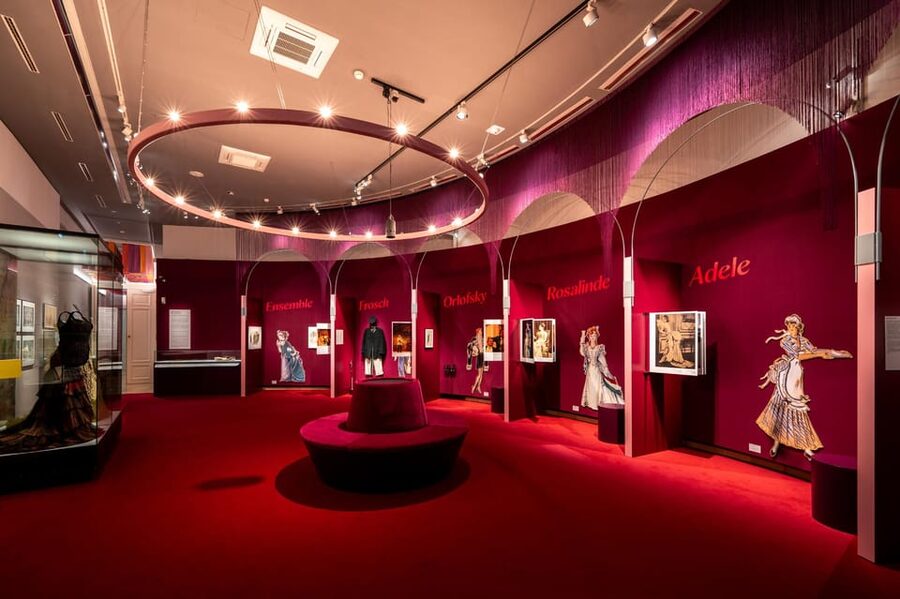
Johann Strauss’ music is so closely tied to Vienna that you can almost hear a waltz in the city’s grand rooms. This exhibition puts the composer’s career into view through the original score of Die Fledermaus, performance objects, films, documents, and music examples at the Theater Museum in Palais Lobkowitz.
I like two things right away: the show connects Strauss’ music to his demanding family and love life, and it follows his reach beyond Vienna, including his world tour to Boston. The main point to consider is that the audio guide is not included, and one presentation has music that does not always line up with its films.
Key points at a glance
- Original Die Fledermaus score: See one of the exhibition’s most important objects, tied to Strauss’ best-known operetta.
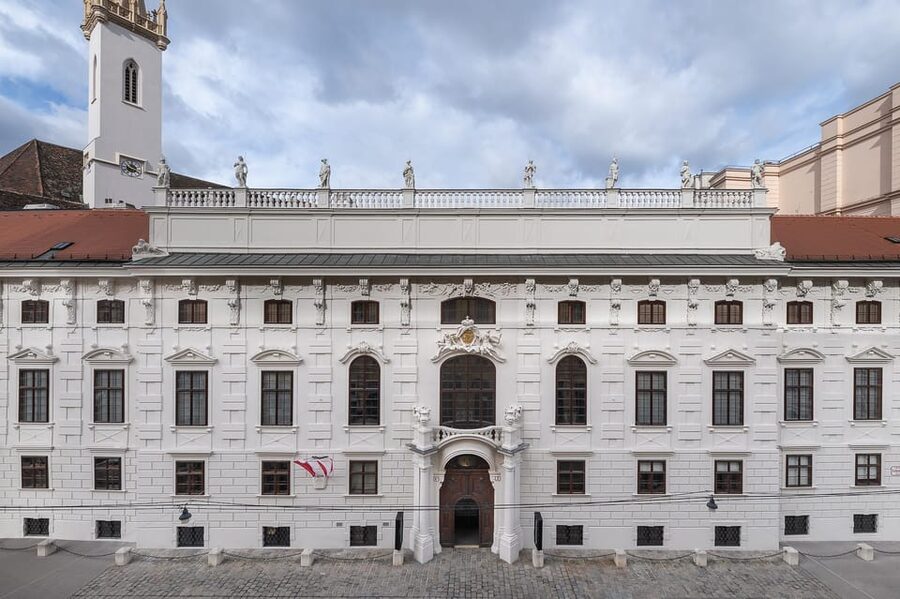
- Palais Lobkowitz setting: Your ticket includes entry to the Theater Museum in a historic Vienna palace.
- Strauss beyond the waltz: The exhibition covers dance music, concert works, and music theater.
- A family and personal story: Learn about Strauss’ parents, brothers, three wives, and love affairs in Russia.
- Vienna to Boston: Follow how Strauss’ music moved from local sensation to international success.
- One-day flexibility: The ticket is valid for one day, with starting times dependent on availability.
Why Johann Strauss still matters in Vienna
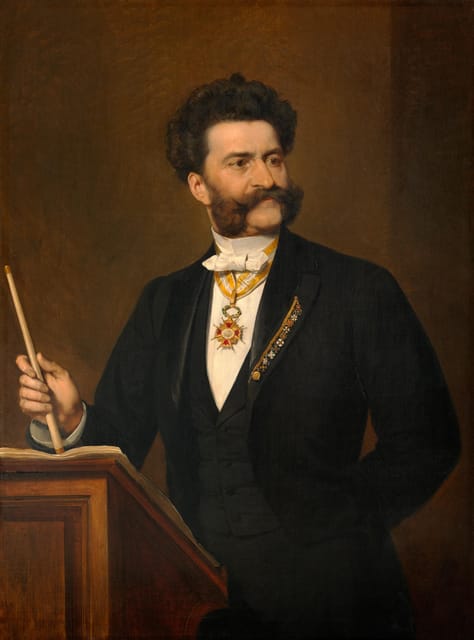
Johann Strauss Sohn, often called the Waltz King, is one of the clearest symbols of Vienna’s musical identity. His music is polished and light on the surface, yet his professional life was demanding, competitive, and often complicated.
This exhibition uses that contrast well. You do not see Strauss only as the composer of pleasant ballroom tunes. You also see the pressure around his work, his relationship with his parents and brothers, and the personal stories that shaped his public life.
The show is part of a joint presentation by the Theater Museum and the Vienna Library in City Hall. That partnership matters because it joins objects from performance culture with material from Strauss’ written legacy. You get both the public image and the working life behind it.
I find that approach more useful than a simple display of portraits and famous titles. It gives you a better sense of how Strauss’ music was produced, performed, promoted, and carried into other countries.
More Anniversary Trips in the world:
- The Stachelschweine anniversary program: I’ve still got a Tesla in Berlin
★ 4.5 · 238 reviews - Erfurt: On the road with the Brückenkrämer. Tour with anniversary tasting.
★ 4.6 · 132 reviews - Cognac: Rémy Martin 300th Anniversary Tour
★ 4.7 · 27 reviews
Entering Palais Lobkowitz and the Theater Museum
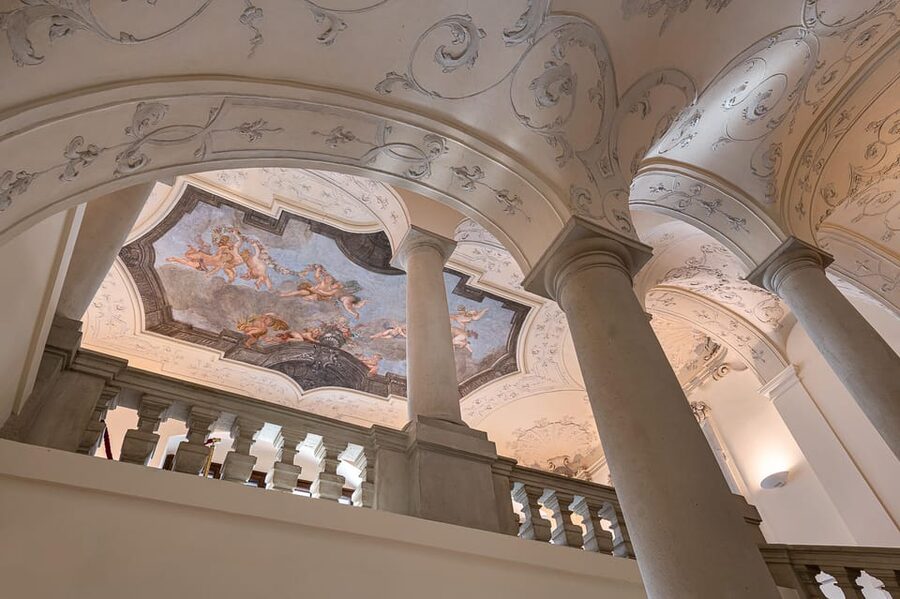
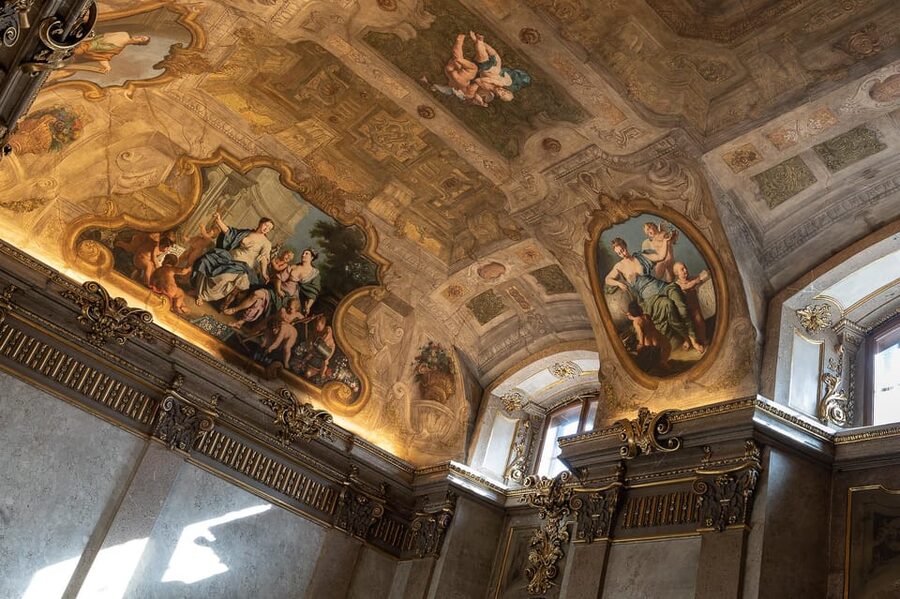
The exhibition takes place at the Theater Museum in Palais Lobkowitz. The setting gives the visit a strong sense of place before you reach the first display. You are not entering a modern concert hall or a temporary room with no connection to Vienna’s past. You are visiting a museum housed in one of the city’s historic palaces.
Your ticket includes admission to the Theater Museum as well as the Johann Strauss anniversary exhibition. At $18 per person, the value depends partly on how much time you give the museum itself. If you race through only the Strauss material, the price is reasonable for a focused cultural visit. If you take time with the wider museum setting and other theater-related displays, the ticket becomes a better deal.
The available information does not name a personal guide. You should therefore plan for an exhibition visit rather than a guided tour with a host leading you room by room. An audio guide is not included, so read the displays carefully and allow time for the musical and visual material.
The museum is wheelchair accessible, which makes this a practical choice for visitors who need step-free access. Starting times vary, so check the available entry time before you plan the rest of your day.
The original Die Fledermaus score
The original score of Die Fledermaus is the exhibition’s star object. Seeing the composer’s own musical work on paper gives you a different connection to a piece that is usually encountered through singers, orchestra, and stage design.
Die Fledermaus also helps explain the range of Strauss’ career. He was not only writing short waltzes for dancing and concert programs. His music theater works required larger structures, dramatic timing, and close cooperation with performers.
Take a little time with this display. The value is not simply in seeing an old manuscript. It is in understanding that Strauss’ famous sound came from careful written work before it reached the ballroom, theater, or concert stage.
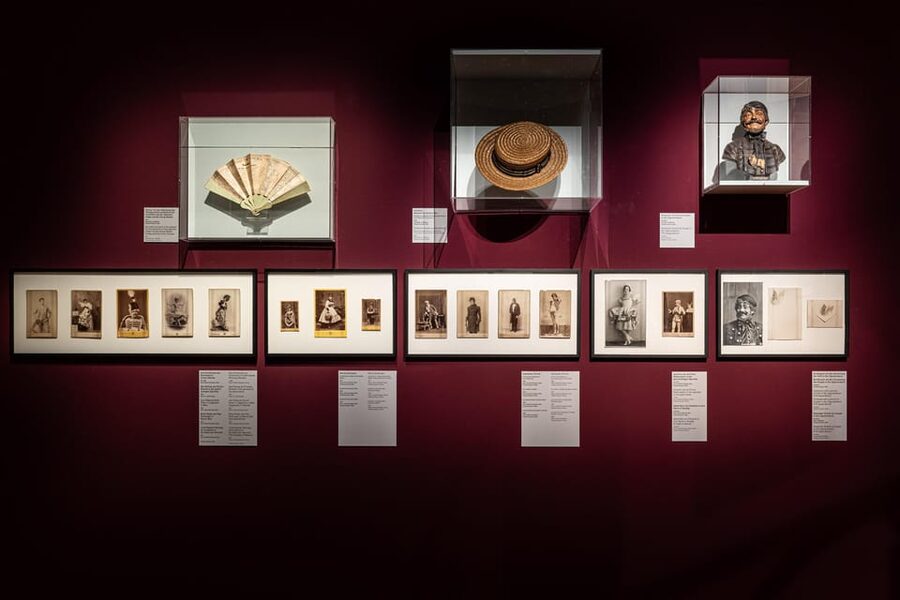
The exhibition also includes original objects connected with performances and exhibits from Strauss’ written legacy. These materials help place the score in its working context. You see more than a celebrated name on a label. You see evidence of the production and performance world around him.
From dance music to the theater stage
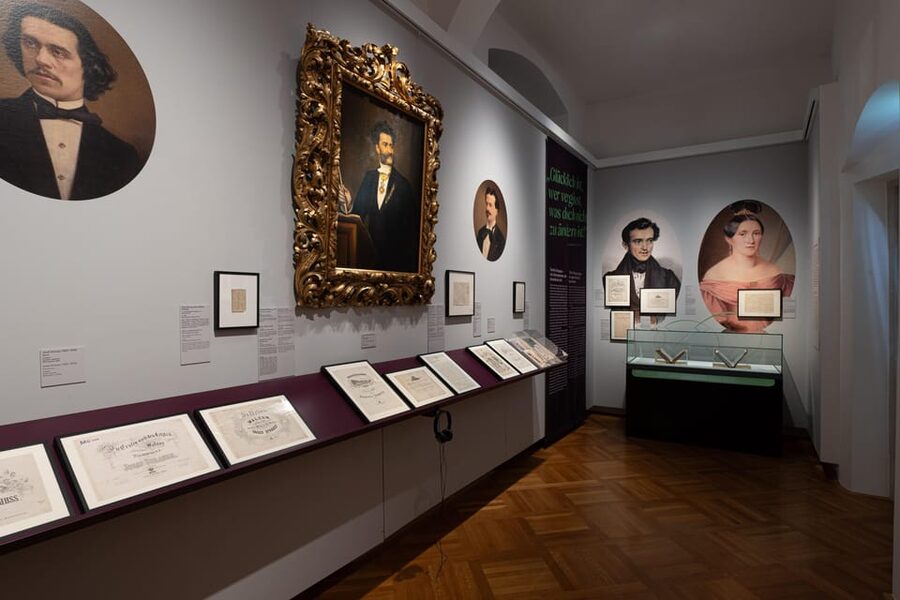
Strauss’ dance and concert music became popular around the world, and the exhibition focuses closely on that artistic output. The waltz is central, but the show does not treat it as the whole story.
You can expect the displays to connect Strauss’ dance music with his concert works and music theater. This is useful if you know only the most famous melodies. It shows how the same composer could write music for social dancing, public performance, and theatrical action.
I especially like this focus because it gives the exhibition a clear musical purpose. You are not simply moving through a list of dates. You are seeing the forms Strauss used and the audiences he reached.
The performance objects add a physical side to the story. Written material explains what Strauss created, while objects from productions remind you that his music was made for real stages and real public events.
Same place, a slower evening:
- Romantic Venice: 30 Minute Gondola Ride with Serenade
★ 3.5 · 2,742 reviews - Paris: Romantic Cruise with 3-course Dinner on Seine River
★ 4.3 · 2,295 reviews - Vienna: Romantic Old Town 2-Hour Discovery Tour
★ 4.7 · 816 reviews - Dubrovnik: Romantic Sunset Cruise & Cave Visit with a Local
★ 4.7 · 611 reviews
Strauss’ family, marriages, and life in Russia
The exhibition does not polish Strauss into a flawless celebrity. It looks at his demanding life and his relationships with his parents, brothers, three wives, and love affairs in Russia.
That personal material helps explain the pressures surrounding a famous composer. Strauss worked within a musical family, and his relationships were part of the story people followed alongside his public career. The details add human weight to what could otherwise become a formal music lesson.
If you come mainly for the melodies, you may find the family and romantic material a change of pace. That is part of the point. The exhibition presents Strauss as a person with obligations, rivalries, and complicated relationships, not just as the smiling figure behind a waltz.
The Russian connections also widen the story beyond Vienna. They show that Strauss’ career involved international travel, personal ties, and audiences outside Austria. You get a sense of a composer whose public reach kept growing as his music moved across borders.
Following Strauss from Vienna to Boston
One of the more unusual elements is the look at Strauss’ world tour to Boston. Vienna is the natural center of a Johann Strauss exhibition, but the Boston material shows how quickly his music became an international product.
This section is valuable because it puts local fame into a wider setting. Strauss’ music did not remain in Viennese ballrooms or Austrian concert halls. It became part of a broader public appetite for European music, spectacle, and dance.
The Boston connection also gives you a useful way to think about cultural exchange in the 19th century. A Viennese composer could become a major name far from home, and a performance tour could turn music into an event with international attention.
I would pay close attention to this part even if you already know Strauss’ most famous works. It is one of the details that keeps the exhibition from feeling like a standard tribute to Vienna’s waltz tradition.
Music, films, and the one technical weakness
Sound is essential here. Strauss’ music can look impressive on paper, but hearing examples helps you understand why his work still carries such appeal.
The exhibition includes good music examples and informative language. That combination makes the material easier to follow, especially if you do not read music or know much about Strauss’ career. You can connect the written displays with the sound rather than relying on names and dates alone.
There is one technical irritation. The music is not always synchronized with the films. When the image and sound drift apart, the presentation loses some of its impact. It does not ruin the visit, but it can distract you during a display that depends on both sight and sound.
This is a small but useful expectation to set. Come for the overall musical presentation, but do not expect every film sequence to work perfectly. Since no audio guide is included, the exhibition’s built-in sound and screen material carry more weight than they would in a display with a separate narrated guide.
How long should you allow?
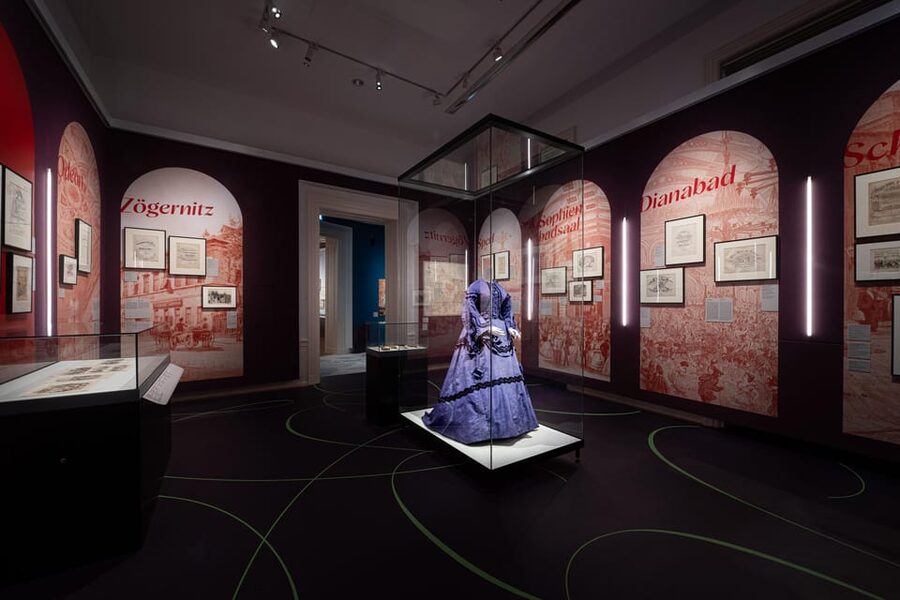
The ticket is valid for one day, not for a fixed short tour. You can check available starting times when booking, then choose a visit that fits your schedule.
The supplied details do not give a fixed visit length. I would avoid squeezing this exhibition between two tightly timed appointments. The original score, written material, objects, films, and music examples all reward a slower pace, and the wider Theater Museum admission gives you another reason not to rush.
Your ideal visit length depends on your interest in Strauss. If you want a focused look at the anniversary exhibition, you can concentrate on the composer’s artistic work and personal story. If you enjoy theater museums, allow extra time for the building and the broader collection.
A flexible one-day ticket is useful in Vienna, where weather, meals, and museum visits can easily alter your plan. It also means you do not need to treat this as a large, all-day commitment. You can fit it into a cultural afternoon or pair it with other central Vienna sights.
Is the $18 price worthwhile?
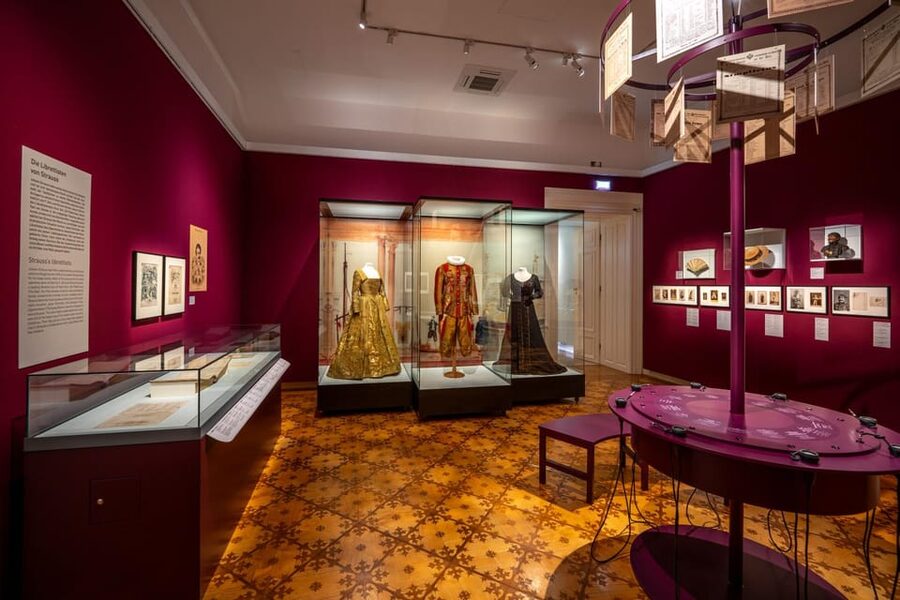
At $18, this is a fair price for a specialized exhibition that includes museum admission. The strongest value comes from the combination of the original Die Fledermaus score, performance objects, written material, music, and the historic Palais Lobkowitz setting.
The price is easier to justify if you have a real interest in Strauss, classical music, theater, or Vienna’s cultural identity. You are paying for more than a display of familiar melodies. The exhibition covers his work, family, personal relationships, international reach, and political and historical context.
The value is less certain if you want a long guided tour or a highly interactive production. There is no included audio guide, no named guide, and one film presentation may have sound-sync problems. You should choose it for the objects, story, setting, and music, not for a polished show built around constant narration.
The current rating is 4.7 from three posted ratings, which fits the experience’s strengths: the language is clear, the music examples work well overall, and the subject has real appeal. The small technical fault is worth knowing before you book, but it is not a reason to dismiss the exhibition.
Who will enjoy this most?
I would recommend the exhibition most strongly to:
- People who already enjoy Johann Strauss or Viennese classical music
- Visitors who want more than a quick photo connected to the Waltz King
- Anyone interested in original scores, theater objects, and written documents
- People curious about how Vienna’s music reached audiences in Boston and elsewhere
- Museum visitors who enjoy biographies with family and personal complications
- Visitors looking for a wheelchair-accessible cultural activity in Vienna
You do not need to be a music scholar. The clear language and musical examples help make the subject approachable. You may get the most from it if you know a few Strauss titles, but the exhibition also works as an introduction to his career.
Families can decide based on attention span and interest in music. The information provided does not describe a children’s program or a family-specific format, so I would not book it as a children’s attraction without checking first.
Practical advice before you go
Check the available starting times before booking. The activity is valid for one day, but the entry schedule still matters when you are arranging museums, meals, and performances in Vienna.
Remember that the $18 ticket includes the Theater Museum in Palais Lobkowitz and the Johann Strauss anniversary exhibition. It does not include an audio guide.
If you want flexibility, you can reserve now and pay later. You can also cancel up to 24 hours in advance for a full refund, which is useful when your Vienna plans are still shifting.
The museum is wheelchair accessible. If access details are important for your visit, confirm the arrangements at the time of booking, but the activity is specifically marked as accessible.
Should you book the Johann Strauss exhibition?
Book it if you want to understand Johann Strauss as a working composer, theater figure, family member, and international celebrity, not just as the man behind a familiar waltz. The original Die Fledermaus score, the performance objects, and the Vienna to Boston connection give the visit several strong points of interest.
Skip it if you are looking for a guided walking tour, a full concert, or an exhibition with a large amount of interactive technology. The lack of an included audio guide and the occasional mismatch between film and music may bother you.
For most music lovers and culturally curious visitors, the price is reasonable and the setting is memorable. Give it unhurried attention, then let Vienna’s grand streets and concert traditions carry the Strauss story beyond the museum.
FAQ
Where is the Johann Strauss anniversary exhibition held?
It is held at the Theater Museum in Palais Lobkowitz in Vienna, Austria.
What does the ticket include?
The ticket includes admission to the Theater Museum in Palais Lobkowitz and a visit to the Johann Strauss anniversary exhibition.
How much does the experience cost?
The listed price is $18 per person.
Is the original score of Die Fledermaus on display?
Yes. The original score of Die Fledermaus is one of the exhibition highlights.
Does the exhibition include music?
Yes. The exhibition includes music examples and lively sounds connected with Strauss’ work.
Is an audio guide included?
No. An audio guide is not included with the ticket.
How long is the ticket valid?
The ticket is valid for one day. Starting times depend on availability.
Is the exhibition wheelchair accessible?
Yes. The activity is marked as wheelchair accessible.
Can I cancel the booking?
Yes. You can cancel up to 24 hours in advance for a full refund. You can also reserve now and pay later.
Just added for couples in the world
- Zakynthos: Romantic Sunset Tour & the Legend of the Dragon★ 5.0 · 4 reviews
- From Zadar: Romantic Sunset Sailboat Tour★ 5.0 · 5 reviews
- Zadar: Romantic Sunset Boat Tour with Champagne★ 4.9 · 11 reviews
- Vienna: Professional Proposal Photographer★ 5.0 · 8 reviews
- Weimar: Adventure Date, Walk with Quiz and Dinner for Couples★ 3.8 · 12 reviews
- Venice: Romantic Palace Dinner and Private Gondola Ride★ 4.7 · 6 reviews
- Anniversary & Destination Wedding Photo-shoot in Vienna★ 5.0 · 3 reviews
- Venice: Elegant couple photos on your vacation★ 5.0 · 2 reviews
Anniversary Trips, compared.
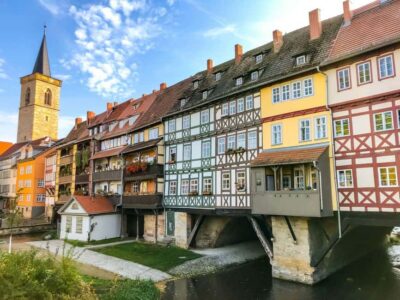
Erfurt: On the road with the Brückenkrämer. Tour with anniversary tasting.
Read our review →
Private Yacht for Surprise Events / Birthday, Proposal, Anniversary, Party etc
Read our review →
Şeb-i Arus 753rd Anniversary on 7-17th of DEC 2026 + City Tours
Read our review →Şeb-i Arus 753rd Anniversary on 7-17th of DEC 2026 + City Tours
Read our review →
Anniversary & Destination Wedding Photo-shoot in Vienna
Read our review →
Browse the lists this tour appears in