
REVIEW · JAPAN ROMANTIC EXPERIENCES
Kyoto: Enjoy Sushi & Market Tour! Best for Family & Couple!
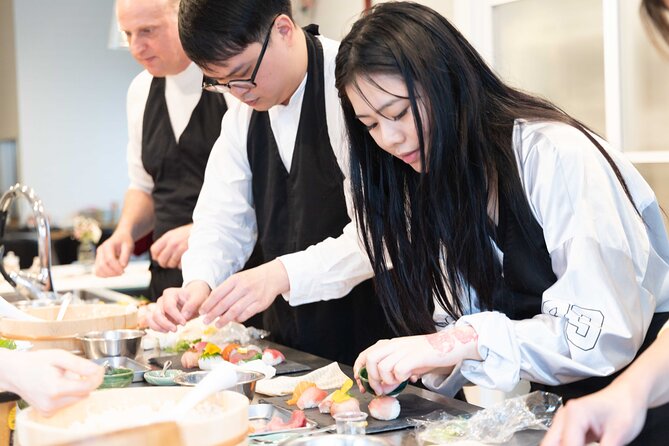
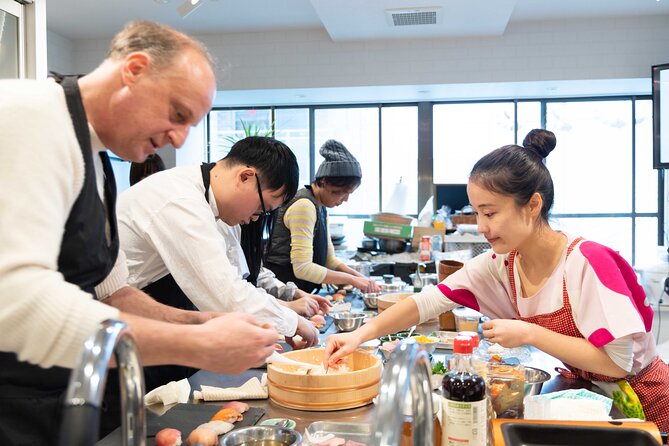
Kyoto’s food culture becomes much more memorable when you make the meal yourself. This two-hour class takes you to Nishiki Market to see fresh fish prepared, then guides you through sushi, dashi, and miso soup in a central cooking studio.
I like the mix of market visit and hands-on cooking, and I like that you learn three sushi styles you can repeat at home. The main caution is value: at $77 per person, this is not a bargain class, and one participant found the instruction less interactive than expected.
Key points to know before booking
- Watch fish preparation at Nishiki Market: The market visit includes a look at skilled vendors cutting fish, including salmon in one reported session.
- Make three kinds of sushi: You prepare nigiri, temari, and temaki after learning how to season sushi rice.
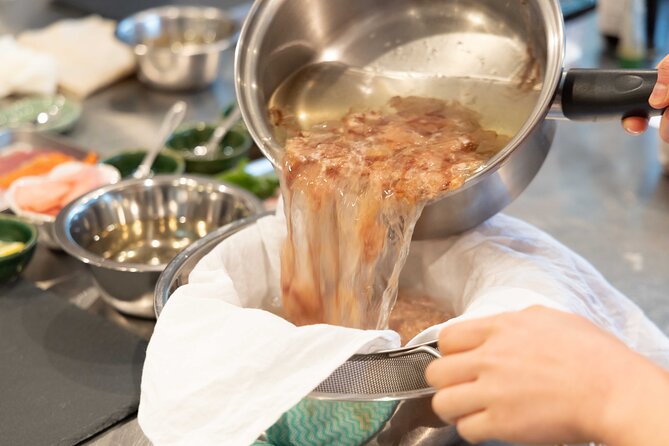
- Learn the basics of dashi: You taste and compare dashi before using it in miso soup.
- Small groups keep the class manageable: The maximum is 10 participants, though the level of personal attention may vary.
- Finish with Kyoto-style treats: Dessert and coffee are included, with sake and beer available for an extra charge.
- Useful location for sightseeing: The meeting point is about 10 minutes from Kyoto Station and 5 minutes from Shijo Station, close to Gion and Kiyomizu-dera.
Why this Kyoto food class is more than a sushi lesson
Many visitors eat sushi in Japan without learning what makes the meal work. This class gives you a practical look at the building blocks: properly seasoned vinegar rice, fresh fish, dashi, miso, and presentation.
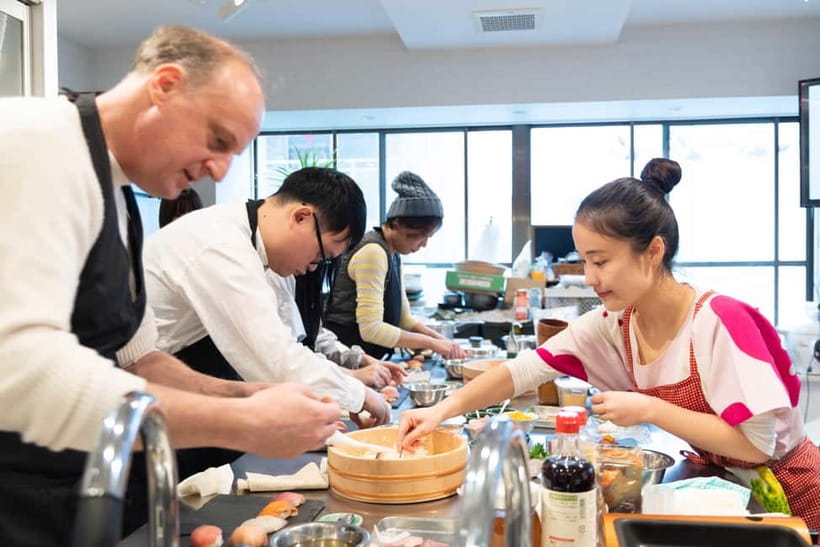
I like that the lesson does not stop at rolling one basic maki. You make nigiri, the familiar hand-pressed sushi topped with fish; temari, the small round sushi that is easy to decorate; and temaki, the hand-rolled cone. Each form calls for a different approach, so the class has enough variety to hold a family’s attention.
The artistic side matters, too. You are encouraged to shape and decorate sushi in your own style. That makes the class more social and less like a strict technical exam. You still learn the right methods, but you have room to experiment with appearance and flavor.
The cooking session also gives you something useful after the holiday. Sushi made at home can seem difficult because the rice, fish, and shaping all have to work together. Here, you practice the process with instruction close at hand, then sit down and eat what you made.
Other ways couples spend a day in the world:
- Romantic Venice: 30 Minute Gondola Ride with Serenade
★ 3.5 · 2,742 reviews - Paris: Romantic Cruise with 3-course Dinner on Seine River
★ 4.3 · 2,295 reviews - Vienna: Romantic Old Town 2-Hour Discovery Tour
★ 4.7 · 816 reviews
Starting near central Kyoto
The meeting point is in front of a building with a hair salon called Salon Roll on the first floor. Check this detail carefully before setting out, since a clear meeting point matters in central Kyoto, where streets and buildings can look similar.
The location is one of the class’s practical strengths. It is about 10 minutes from Kyoto Station and 5 minutes from Shijo Station. You can fit it into a day that includes central Kyoto, and it is also close to Gion and Kiyomizu-dera.
The class lasts two hours, so it does not swallow your whole day. You could schedule it between other city-center plans. Still, allow enough time to find the building and arrive ready to begin. The supplied information does not give a separate arrival buffer, so I would not cut it close.
Instruction is offered in English and Japanese. No individual guide names are provided, but the format is designed for an international audience. Families and couples can take part together, and the group limit is 10 people.
A short walk through Nishiki Market
The market portion adds an important local touch. Rather than beginning with ingredients already waiting on a counter, you go to Nishiki Market and see where some of the food culture begins.
The highlight is fish preparation. You may watch a skilled vendor cut fish, with salmon specifically included in one recent session. This is not a full market tour, so you should not expect a long exploration of every stall. Think of it as a focused introduction that connects the ingredient to the sushi you will soon prepare.
That connection is valuable. In Japan, fish cutting is a craft, and watching it gives you a better sense of the care behind a simple slice of sushi. It also helps explain why freshness and knife work matter so much.
The market visit may be especially interesting for children who enjoy seeing food handled in real life rather than only seeing finished dishes. It gives the class a small sense of place instead of making it feel like a generic cooking workshop that could happen anywhere.
The trade-off is time. With only two hours for the full activity, the market stop is necessarily brief. If you want a long, independent visit through Nishiki Market, plan a separate visit.
Turning rice into three sushi styles
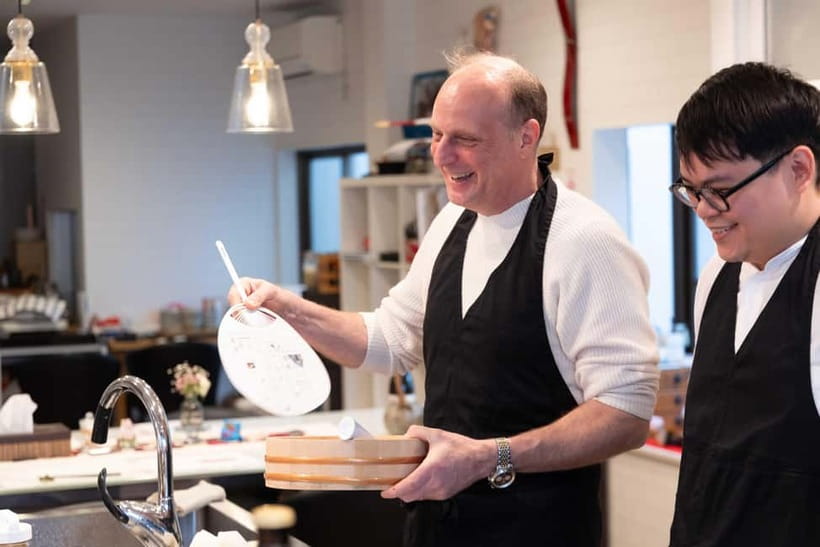
Back at the cooking space, you learn how to make vinegar rice. This is a basic step, but it is the part many home cooks get wrong. Rice that is too wet, too dry, too warm, or poorly seasoned can make the finished sushi fall apart or taste flat.
The class then moves into three preparations. Nigiri teaches you how to combine a portion of rice with a topping. It looks simple, but shaping rice neatly takes a light touch.
Temari sushi is round and decorative. This is where the class’s artistic side comes into play, and it can be a good choice for people who enjoy presentation. Temaki is more relaxed and hands-on, since you form a cone around the filling.
You are not simply copying one finished example. The guide helps you use the proper techniques while allowing room for your own choices. One couple specifically valued the balance between instruction and freedom to explore personal flavors.
That balance can work well for mixed-age families. A child may enjoy making colorful shapes, while an adult can focus on rice texture and clean presentation. Couples may also find the shared preparation more engaging than sitting silently through a standard meal.
There is one qualification. One participant expected more direct interaction and felt the instructor was not engaged enough with the group. That appears to be a risk of the class format rather than a guaranteed problem, but it is worth considering if you want constant personal coaching.
Same place, a slower evening:
- Dubrovnik: Romantic Sunset Cruise & Cave Visit with a Local
★ 4.7 · 611 reviews - Romantic Sunrise Balloon Tour in Majorca
★ 5.0 · 466 reviews - Santorini: Romantic Sunset Caldera Cruise with Dinner
★ 4.1 · 457 reviews - Private Romantic Dinner on the Nile
★ 5.0 · 430 reviews
Comparing dashi and making miso soup
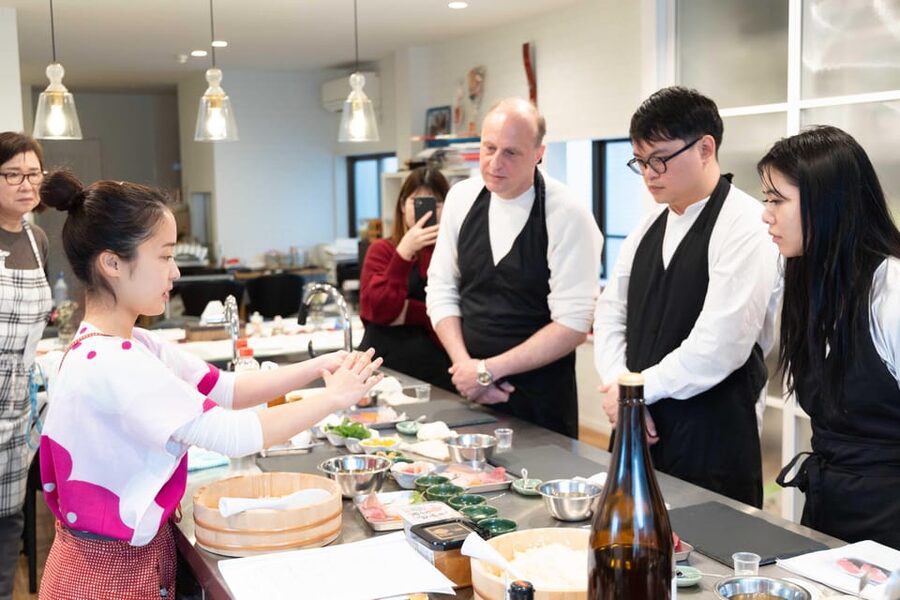
The miso soup lesson gives the class a wider view of Japanese cooking. You learn how to make dashi, taste and compare it, and then use it in miso soup.
Dashi is easy to overlook because it often sits in the background of a dish. The tasting comparison helps you notice how the stock affects flavor before miso is added. For a short class, this is a useful lesson because it shows that Japanese food is not only about fish and rice.
Making miso soup also gives you a recipe you can repeat at home without special presentation skills. After the more delicate sushi work, it is a warm and practical part of the meal.
I like this section because it keeps the class from becoming a narrow sushi demonstration. You learn about seasoning, stock, and soup as well as raw fish. That makes the experience a better introduction to Japanese home cooking.
Sitting down for sushi, dessert, and coffee
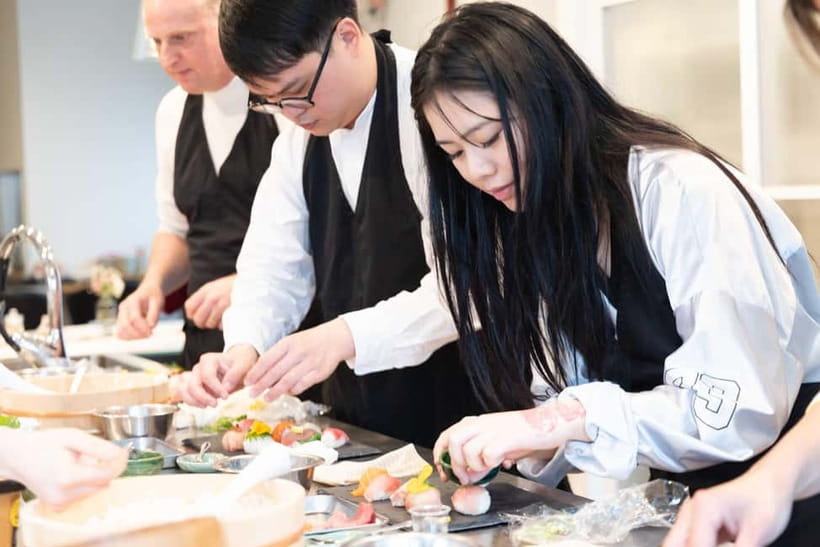
After the preparation, you eat the sushi and miso soup you made. Dessert and coffee are included, adding a proper finish rather than sending you away as soon as the last sushi is shaped.
The dessert may include a homemade matcha preparation. One family described the ending as including matcha dessert, sake, and green tea, though the standard inclusions specifically list dessert and coffee. Treat the alcoholic drinks as optional extras rather than part of the base price.
Sake and beer are available for an added charge. This can make the meal feel more festive for couples or adults, but it also means you should watch the final cost if you are trying to stay close to the $77 starting price.
The meal is also a chance to talk with the other participants. That social element may appeal to people who like small-group activities. If you prefer a quiet, private cooking lesson, a group of up to 10 may feel less personal.
Seasonal Kyoto advice from a local expert
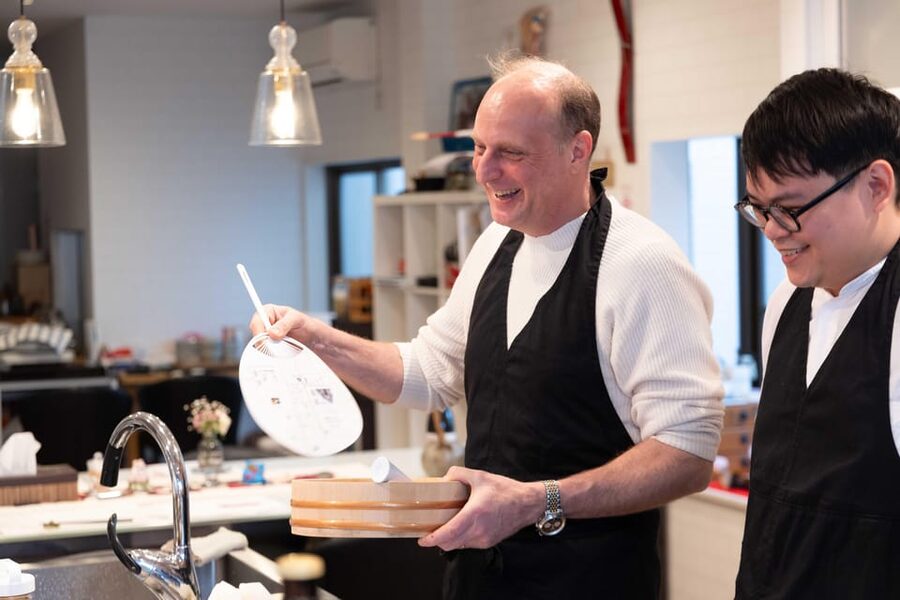
A useful bonus is the seasonal sightseeing information shared by a Kyoto tourism expert. The advice is meant to help you plan the rest of your visit, with recommendations that change according to the time of year.
This is not presented as a separate sightseeing tour, and no exact list of recommendations is provided. Still, it can be useful when Kyoto’s choices feel overwhelming. A short conversation about what is best in the current season may help you decide where to go next.
I would treat this as an added benefit, not the main reason to book. The cooking and market visit are the core of the activity. The sightseeing tips become more valuable if you have a flexible itinerary or want local guidance beyond the major temple stops.
Is $77 a fair price?
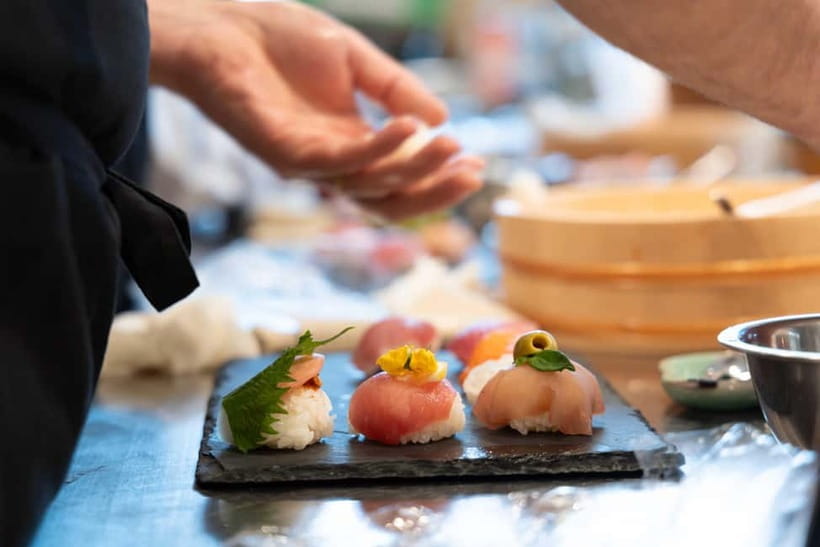
At $77 per person, the class sits above the price of a casual meal but includes more than eating. You receive market access as part of the outing, instruction in several sushi styles, a dashi and miso lesson, the meal itself, dessert, coffee, and seasonal Kyoto advice.
The value depends on what you want from a food activity. If you only want to taste sushi, spend the money at a restaurant. If you want a skill-based activity that combines food, local context, and a shared meal, the price is easier to justify.
The fish from Nishiki Market is a strong part of the value, but one participant felt the food did not make the price worthwhile because the instructor was not interactive enough. That is the key concern to keep in mind. A great class depends not only on the ingredients but also on the guide’s energy and attention.
The small maximum of 10 helps keep the setting from becoming a large demonstration. Still, group size alone cannot guarantee close instruction. If hands-on help is your top priority, ask about the expected group size when booking if that information is available.
Who will enjoy this class most?
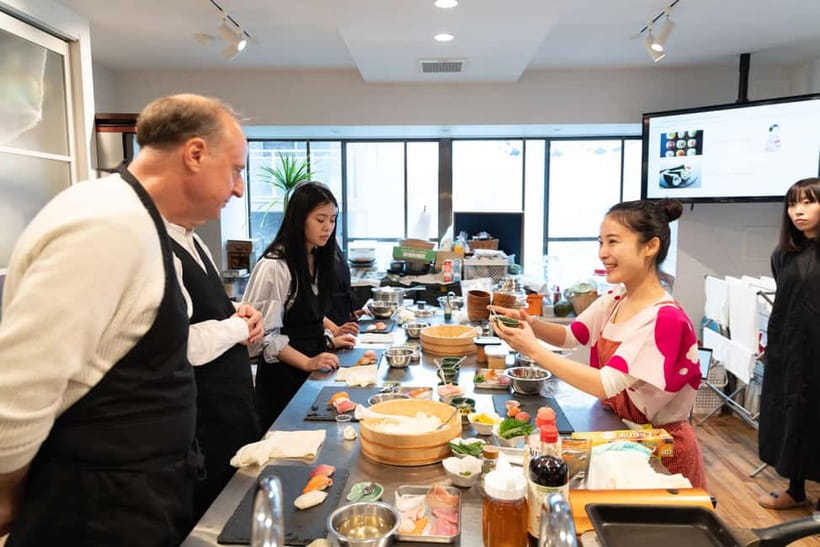
This is a good match for families, especially those looking for an activity that mixes food, movement, and creativity. The market stop gives children something to see, while the sushi shapes provide an activity they can take part in.
Couples should also find plenty to enjoy. You prepare a meal together, share the finished dishes, and can add sake or beer if you want. It is more active than a restaurant dinner and shorter than a full-day food tour.
It also suits first-time visitors who want a gentle introduction to Japanese food culture. The class explains rice, dashi, miso, and fish preparation without requiring previous cooking experience.
You may want to skip it if you dislike group activities, want a highly private lesson, or expect a long Nishiki Market tour. It may also feel expensive if you are mainly interested in eating rather than learning.
The activity is wheelchair accessible, and smoking is not allowed indoors. English and Japanese instruction are available. Free cancellation is offered up to 24 hours before the start time, and you can reserve now and pay later, which helps if your Kyoto schedule is still changing.
Should you book this Kyoto sushi experience?
Book it if you want to make your own meal, see a small part of Nishiki Market, and learn techniques you can use after Japan. The mix of nigiri, temari, temaki, dashi, miso soup, dessert, and seasonal advice gives the two hours a good range.
I would be more cautious if you need constant one-on-one coaching or are watching every dollar. The class has earned a high overall score, but the less positive account points to the one real weakness: the teaching experience may depend on how engaged the instructor is with your particular group.
For a family or couple, this is a practical, tasty way to break up temple visits and shopping. Come ready to participate, not simply watch, and the class has a good chance of becoming one of the more memorable meals of your Kyoto stay.
FAQ
How long does the sushi and market activity last?
The activity lasts two hours.
How much does the experience cost?
The listed price is $77 per person.
Where do I meet the guide?
Meet in front of the building with a hair salon called Salon Roll on the first floor.
How far is the meeting point from Kyoto Station?
The meeting point is about 10 minutes from Kyoto Station.
Is the activity available in English?
Yes. Instruction is available in English and Japanese.
What kinds of sushi will I make?
You will prepare nigiri, temari, and temaki sushi.
Is miso soup included?
Yes. You learn about dashi and make miso soup as part of the activity.
Are drinks included?
Dessert and coffee are included. Sake and beer are available for an additional charge.
Can I cancel for a full refund?
Yes. You can cancel up to 24 hours in advance for a full refund.
Just added for couples in the world
- Can Picafort: FunForTwo, couple adventure game and city walk★ 3.3 · 9 reviews
- Budapest: Proposal Photos at enchanting Fisherman’s Bastion★ 5.0 · 3 reviews
- Budapest: romantic photoshoot at Buda’s iconic sightseeings★ 5.0 · 6 reviews
- Cala Millor: AdventureDate, fun game, city walk for couples★ 3.3 · 7 reviews
- Bordeaux Photographer : Romantic or Family or Friends★ 5.0 · 3 reviews
- Bovec: Soča River Private Rafting Experience for Couples★ 4.6 · 5 reviews
- Beijing: Hanfu Experience & Photo Shoot – Family & Couples★ 5.0 · 2 reviews
- Beach Proposal at My Beach Resort★ 5.0 · 2 reviews
Japan Romantic Experiences, compared.
Kyoto Kimono Rental mimosa |Kimono/Yukata Rental Couple Plan
Read our review →
Kyoto kiyomizu Temple : Maiko and Samurai Couple Photoshoot
Read our review →
Kurashiki Private Romantic Night in the Observatory Recliners
Read our review →
Romantic Mizuhiki Knot and Omikuji Washi Charm Workshop Ueno
Read our review →
Romantic Proposal Production Photo Video and Drone
Read our review →
Browse the lists this tour appears in