
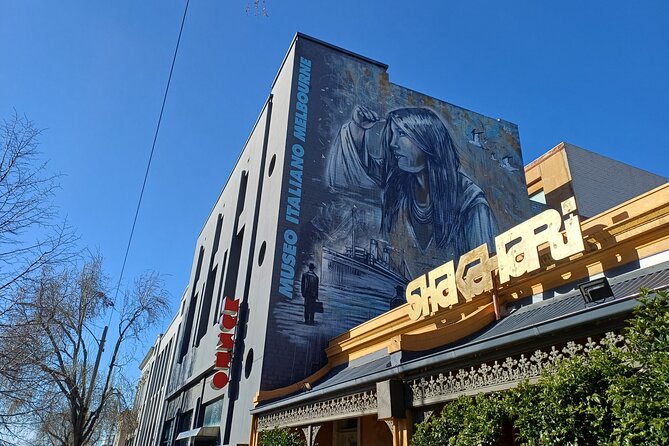
REVIEW · AUSTRALIA ROMANTIC EXPERIENCES
Romance & Glamour: Discover Melbourne’s true Italian food history
Melbourne’s love of espresso, pasta, and Italian-style dining did not appear by magic. This three-hour walk with food historian Dr Tania Cammarano traces the people, businesses, publications, and ideas that helped Italian food move from migrant culture into everyday Melbourne life.
I like the small group, capped at 10 people, and the mix of places: a grand exhibition building, old Carlton streets, a museum collection, and a historic cafe. I also like that the food is part of the lesson, with coffee, a sweet treat, wine, and antipasto built into the afternoon.
The main drawback is that this is a walking tour with a set route and a weather requirement. If rain threatens, your date may change or the tour may be canceled, and the three-hour format leaves little room for lingering at each stop.
Key points to know before booking
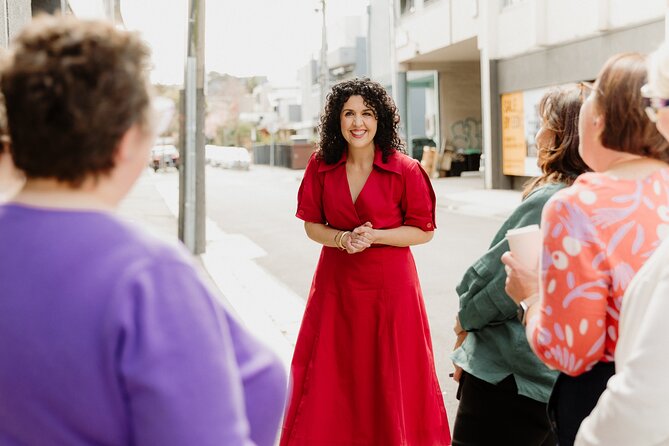
- Dr Tania Cammarano leads the walk: Her research focuses on the way ideas about Italy helped Italian food gain wider acceptance in Australia.
- The route connects Carlton’s food culture to migration: You begin at the Royal Exhibition Building and finish on Lygon Street.
- Coffee and a sweet treat are included: The stop links your snack to Australia’s first Italian cookbook, published in 1937.
- Museo Italiano adds original objects: Expect an early espresso machine, restaurant plates, menus, and other material from Italian dining in Melbourne.
- The final stop includes wine and antipasto: University Cafe provides a relaxed finish at 257 Lygon Street.
- It works best for a small group: The maximum is 10 people, so the experience should feel more like a guided conversation than a large city tour.
Why Melbourne’s Italian food story begins at the Royal Exhibition Building
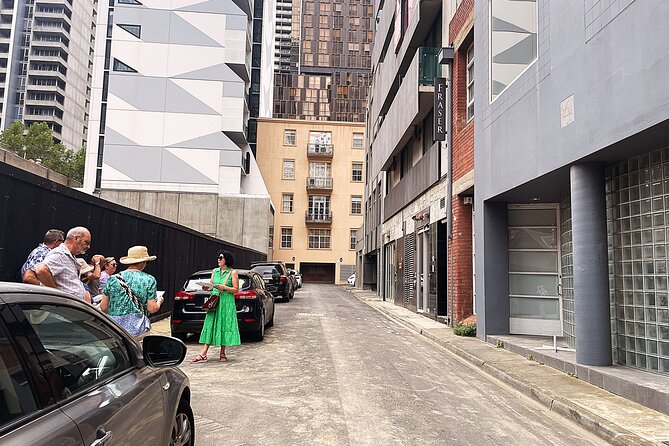
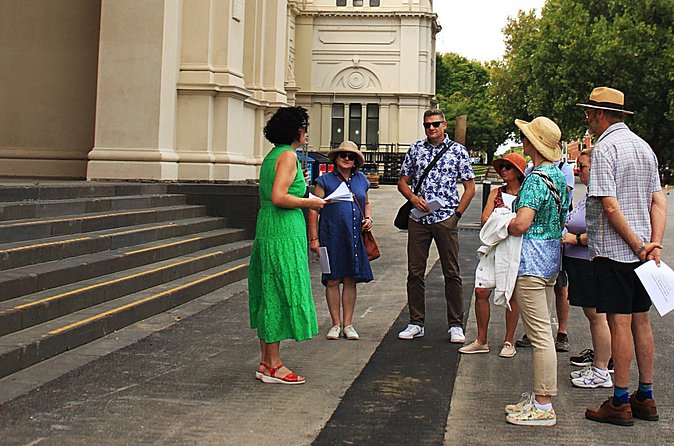
Meet Dr Tania Cammarano at Hochgurtel Fountain beside the Royal Exhibition Building, near Melbourne Museum at 9 Nicholson Street. The tour begins at 2:00 pm, giving you a clear afternoon schedule and a central starting point in Carlton.
The building is an unexpected place to begin a story about pasta and coffee. That is exactly why it works. Instead of starting in a restaurant and talking only about dishes, Tania sets Italian food within the wider story of Melbourne’s public life, cultural exchange, and changing ideas about Italy.
You spend about 45 minutes here. The focus is not simply on the building itself. You learn why this landmark matters to Melbourne’s Italian food story and how public ideas about Italian culture affected the way Italian food was received.
I like this opening because it gives the tour a wider frame. Italian cooking did not become mainstream just because people suddenly discovered espresso or spaghetti. It took businesses, publications, cultural associations, and migrant families to make those foods familiar.
Tania’s approach also promises a useful correction to easy myths. The tour looks at the people she describes as migrant visionaries and mavericks, along with the less-known steps that helped Italian food become part of Melbourne’s multicultural identity.
More Food and Drink Tours in the world:
- Romantic Wine Tasting Experience at Koccio Valletta
★ 4.5 · 259 reviews - Luxury Feluca on the NiLe with Food included( Romantic Trip)
★ 5.0 · 147 reviews - Erfurt: On the road with the Brückenkrämer. Tour with anniversary tasting.
★ 4.6 · 132 reviews
Little Lonsdale Street and the 1937 cookbook connection
The next section takes you to Little Lonsdale Street, where Australia’s first Italian cookbook was published in 1937. You spend roughly 45 minutes here, making this one of the longer stops on the route.
A cookbook may sound less exciting than a restaurant, but it can tell you a great deal about food culture. Recipes put ingredients, cooking methods, and ideas about family meals into a form that can circulate well beyond one kitchen. In this case, the publication gives the tour a precise date and place for discussing Italian food in Australia.
The stop is also a good reminder that food culture spreads through print as well as plates. The book helped present Italian cooking to an Australian audience, and the walk uses that story to explain how Italian food gained wider recognition.
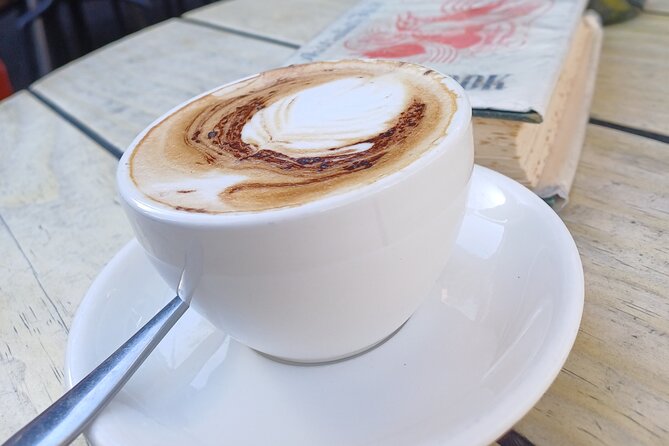
Your included coffee and sweet treat connect directly to this part of the tour. The snack is not just a pause in the walking. It ties the act of eating to the cookbook and gives you something concrete to remember from the discussion.
The supplied information does not specify the exact sweet treat or the coffee style, so do not book this expecting a named pastry or a full tasting menu. Think of it as a modest food sample that supports the story, not the main meal of the day.
Lygon Street, early entrepreneurs, and a proper coffee stop
The route then reaches Lygon Street for a 30-minute coffee stop. This is the most obvious food-centered section of the walk, since Lygon Street is closely linked with Carlton’s Italian dining identity.
Tania uses the stop to discuss some of Melbourne’s earliest Italian food entrepreneurs. That focus matters. Restaurants do not become cultural institutions by serving food alone. They need owners willing to introduce products, habits, and dining customs to a wider public.
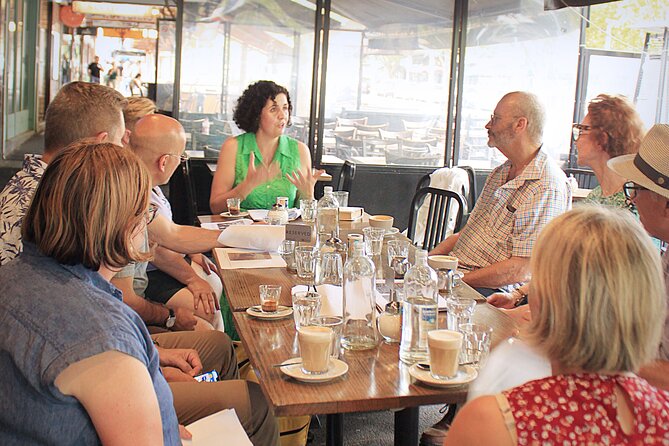
The stop gives you time to sit, drink coffee, and listen rather than march from one address to another. That relaxed pace suits the subject. Coffee culture is best understood with a cup in hand, not only through dates and names.
Still, you should keep your expectations in check. This is not a cafe crawl with multiple tastings. There is a coffee stop, plus the earlier sweet treat, but the tour is primarily a historical walk with food along the way.
The walk also takes you through back streets and laneways around Carlton. The route can help you notice former warehouses, newspaper offices, and other traces of migrant business life that are easy to pass without a second thought. The precise buildings visited are not listed, so the value lies in Tania’s interpretation of what you are seeing rather than a promise of entry into every historic site.
Museo Italiano and the objects behind the stories
Museo Italiano is the tour’s indoor museum stop, lasting about 30 minutes. Here you can see one of Melbourne’s earliest espresso machines, along with plates, menus, and other restaurant material from the 1920s.
This is one of the strongest parts of the experience for anyone who likes food history. Menus show what restaurants thought customers might order. Plates and equipment reveal the practical side of service. An espresso machine turns the story of coffee from an abstract cultural idea into a physical object.
The museum also helps balance the walking route. Earlier stops focus on places and people. At Museo Italiano, you encounter objects that connect those people to the work of feeding Melbourne.
Thirty minutes is enough for a focused visit, but not enough for a long museum session. If you like reading every label and examining every object, you may wish the stop were longer. The tradeoff is that the tour keeps moving and still reaches the final cafe within three hours.
The museum visit is especially useful if you are interested in how Italian identity was represented in Melbourne. The tour is not only about what people ate. It also considers how Italian food was understood, presented, and gradually accepted in a broader Australian setting.
More Food Tours in the world:
- Greater Zion: Couples UTV Tour with Food
★ 5.0 · 3 reviews - Christmas illuminations in 2CV – With 2 Presents (Food + goodies)
★ 5.0 · 2 reviews
University Cafe finishes the walk with wine and antipasto

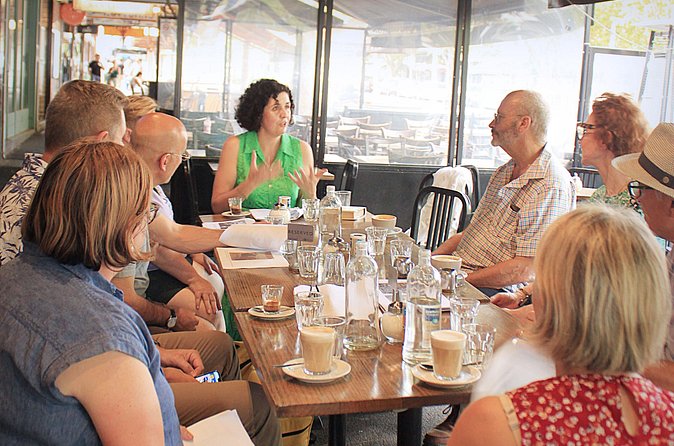
The final stop is University Cafe at 257 Lygon Street. You spend about 30 minutes debriefing with the group over a glass of wine and a generous antipasto.
This is a sensible ending. After a walk through food history, you get to sit down and share food rather than finish with a quick goodbye on the pavement. The antipasto also gives you a final taste of the Italian dining tradition discussed throughout the afternoon.
The word generous matters here, but it does not mean a full dinner. You receive wine and antipasto, not a multi-course meal. If you are hungry enough for dinner, plan to eat later or ask about nearby options after the tour. The experience provides snacks and a satisfying finish, but it is not designed as a restaurant tour or dinner replacement.
The end point differs from the start, so note the address before booking. You begin at the Royal Exhibition Building and finish at University Cafe. That is useful if you plan to continue along Lygon Street, but it also means you should not expect to return to the starting point as part of the tour.
What the $89.66 price gives you
At $89.66 per person, the price is easier to justify if you value interpretation as much as food. You are paying for a three-hour guided walk led by a specialist, a small group capped at 10, entry into Museo Italiano, coffee, a sweet treat, wine, and antipasto.
This is not the right comparison for a cheap cafe snack. If you only want coffee and a plate of food, you can spend less elsewhere. The value comes from the connection between the places, the objects, and the food.
I also think the small group improves the price calculation. A group of 10 gives Tania a better chance to answer questions and keep the discussion focused. It should feel more personal than a large coach-style outing, though the exact group size on your date may be smaller.
The tour is also a good choice if you have already visited Melbourne’s main sights and want a more specific subject. It does not try to cover all of Melbourne, all of Italian cuisine, or every important Carlton restaurant. Instead, it follows one clear question: how did Italian food become part of ordinary Melbourne life?
Timing, meeting point, and practical comfort
The tour starts at 2:00 pm and lasts about three hours. That makes it easy to pair with a free morning, although you should avoid scheduling another fixed activity too close to the 5:00 pm estimate. The tour may run slightly differently depending on the pace of the group and the time spent at each stop.
You meet at Hochgurtel Fountain beside the Royal Exhibition Building, near Melbourne Museum, at 9 Nicholson Street, Carlton. Use the exact meeting point rather than simply heading to Lygon Street, since the walk begins elsewhere.
The experience is listed as being near public transportation, and most people can participate. Service animals are allowed. No special fitness level is stated, but this is a walking tour, so comfortable shoes and a sensible plan for changing weather are practical choices.
The experience requires good weather. If poor weather forces a cancellation, you are offered another date or a full refund. That policy is useful, but it also means you should avoid placing the tour on the one afternoon when a weather disruption would ruin your schedule.
You receive confirmation at booking, and the ticket is mobile. Free cancellation is available if you cancel at least 24 hours before the local start time. Changes or cancellations inside that window are not refunded, and a minimum number of participants is required for the tour to operate.
Who will get the most from this Carlton walk
I would choose this tour if you are interested in the connection between migration, business, publishing, and food. It suits people who want more than a list of restaurant recommendations and prefer to understand how a neighborhood acquired its food identity.
It is also a strong match for Italian food enthusiasts, cookbook readers, coffee fans, and anyone who enjoys small museums and city walks. The focus on an early espresso machine and a 1937 cookbook gives the experience enough detail to satisfy a serious food-history interest.
You do not need to be an expert on Italy. Tania’s subject is Melbourne, and the walk explains how Italian food was introduced and accepted in an Australian setting. You will get more from it if you enjoy asking questions and paying attention to ordinary streets, old business sites, and objects that might otherwise seem unremarkable.
Families may find the food and short museum visit appealing, but the tour is built around spoken commentary. Very young children who do not enjoy a three-hour walk or historical discussion may not get much from it. The supplied information says most people can participate, but it does not promise a child-specific format.
This is not the best pick for someone seeking a large lunch, many tastings, or a fast survey of Melbourne’s top restaurants. It is also not a general sightseeing tour. The Royal Exhibition Building and Carlton provide the setting, but Italian food history remains the main subject.
Should you book Romance & Glamour?
Book it if you want a compact, specialist-led look at how Italian food became part of Melbourne’s daily culture. The combination of Dr Tania Cammarano’s research, the 1937 cookbook site, Museo Italiano, and the final wine and antipasto creates a clear story with enough food to keep it grounded.
Skip it if you want a full meal, extensive tastings, or an indoor activity that can run in any weather. For the right audience, though, the $89.66 price buys more than a snack. It buys context, access to a small museum collection, and a guided walk through Carlton that can change the way you read its cafes and streets.
FAQ
How long does the Italian food history walk last?
The experience lasts approximately three hours.
What time does the tour start?
The tour starts at 2:00 pm.
Where does the tour begin?
It begins at Hochgurtel Fountain beside the Royal Exhibition Building, near Melbourne Museum, at 9 Nicholson Street, Carlton VIC 3053.
Where does the tour finish?
The tour ends at University Cafe, 257 Lygon Street, Carlton VIC 3053.
Who leads the experience?
Food historian Dr Tania Cammarano leads the walk.
What food and drinks are included?
The experience includes coffee, a sweet treat connected with Australia’s first Italian cookbook, a glass of wine, and a generous antipasto.
Is entry to Museo Italiano included?
Yes. Entry into Museo Italiano is included in the experience.
How many people can join the tour?
The tour has a maximum of 10 participants.
Can I cancel for a full refund?
Yes, if you cancel at least 24 hours before the local start time. Cancellations or changes made less than 24 hours before the start are not refunded. If poor weather or an insufficient number of participants causes cancellation, you are offered another date or a full refund.
More History and Heritage Tours in the world
- Verona by Moonlight: A Nighttime Path Through History and Romance
★ 4.0 · 10 reviews - Romantic history tour of Belgrade
★ 5.0 · 8 reviews - Romance Etched in Stone – A Heritage walk among Temples of Bhubaneswar
★ 5.0 · 2 reviews
Just added for couples in the world
- Zakynthos: Romantic Sunset Tour & the Legend of the Dragon★ 5.0 · 4 reviews
- From Zadar: Romantic Sunset Sailboat Tour★ 5.0 · 5 reviews
- Zadar: Romantic Sunset Boat Tour with Champagne★ 4.9 · 11 reviews
- Vienna: Professional Proposal Photographer★ 5.0 · 8 reviews
- Weimar: Adventure Date, Walk with Quiz and Dinner for Couples★ 3.8 · 12 reviews
- Vienna: Johann Strauss 200th birthday anniversary exhibition★ 4.7 · 3 reviews
- Venice: Romantic Palace Dinner and Private Gondola Ride★ 4.7 · 6 reviews
- Anniversary & Destination Wedding Photo-shoot in Vienna★ 5.0 · 3 reviews
Australia Romantic Experiences, compared.
Hunter Valley Romantic Bubbly Breakfast Helicopter Tour from Cessnock
Read our review →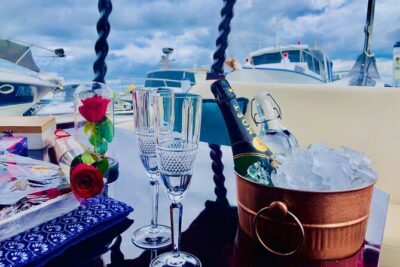
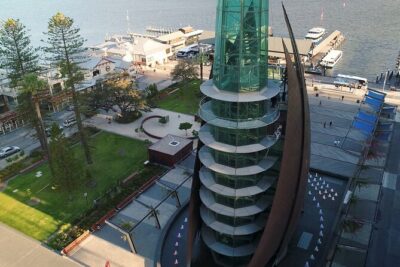
The Romance Package (Bell Tower tour for 2 people, plus personalised Love Lock)
Read our review →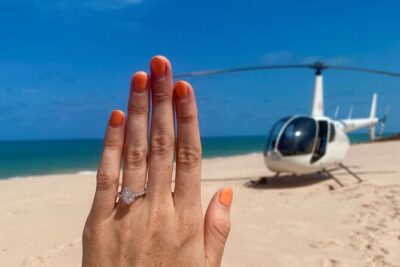
Broome: Romantic 45-Min Private Helicopter Flight & Beach Picnic
Read our review →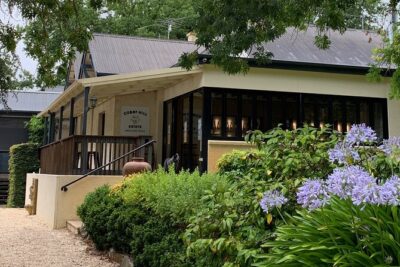
Adelaide Couples Tour: Penfolds(World #2) Visit Hahndorf & Lunch
Read our review →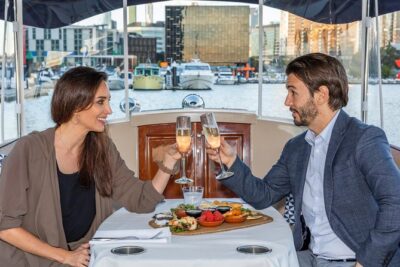
Private Romantic Melbourne Dinner Cruise for 2
Read our review →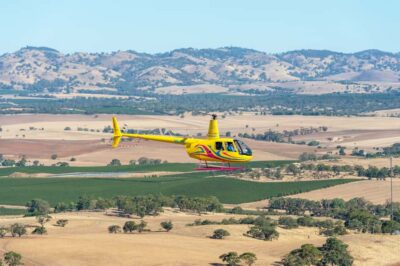
Lyndoch: Barossa Valley Helicopter Flight & Romantic Picnic
Read our review →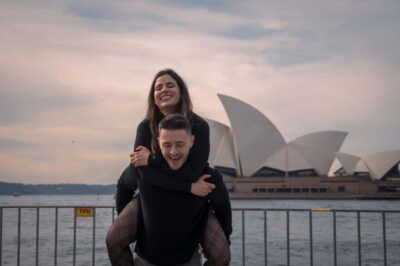
Romantic photoshoot for couples in Sydney
Read our review →Browse the lists this tour appears in